


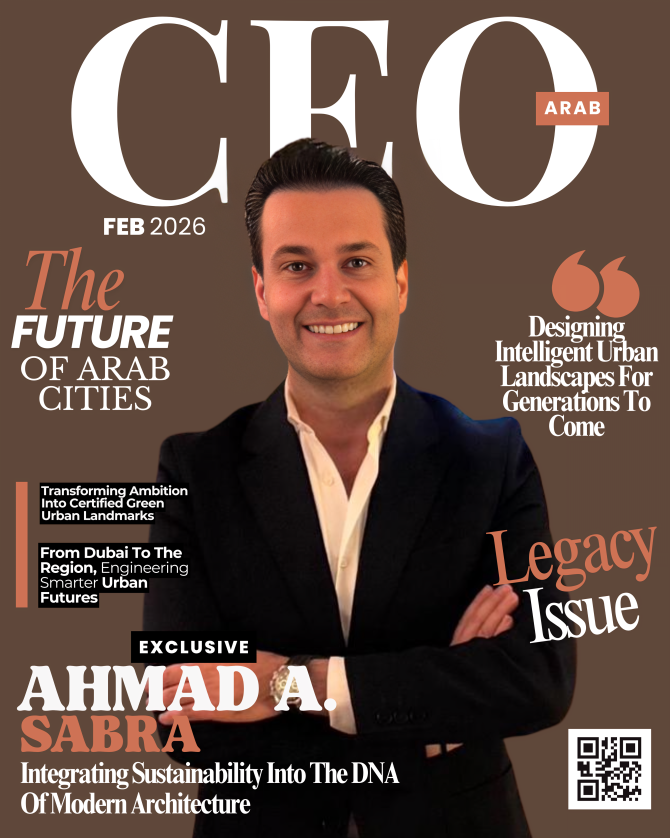
In the evolving skyline of the Arab world—where ambition rises as boldly as architecture itself—one name has become synonymous with responsible innovation: Architect Ahmad A. Sabra.
As Chairman of Sustainable Cities in the Arab World, Sabra represents a new generation of leadership—one that understands that true progress is measured not only in height and scale, but in environmental intelligence, resilience, and legacy. His work reflects a deep commitment to ensuring that development across the region aligns with long-term ecological responsibility and urban sustainability.
Dubai’s dramatic growth offered more than a canvas of steel and glass—it presented a defining question: How can cities of the future thrive without compromising the environment?
For Ahmad A. Sabra, the answer was clear. Sustainability must move from concept to commitment.
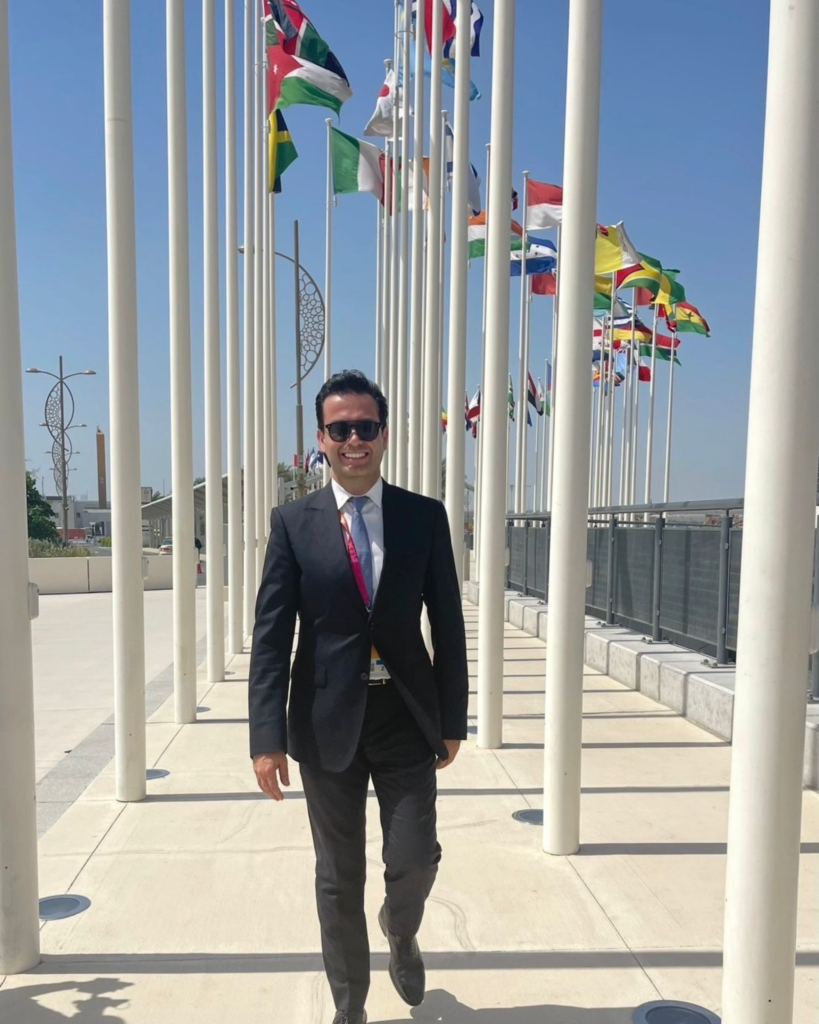
From the earliest stages of master planning, Sabra integrated green thinking into the architectural DNA of projects. Solar-responsive building orientations. Intelligent façade systems. Reduced carbon footprints. Water-efficiency strategies tailored to arid climates. What began in Dubai evolved into a regional movement—one that reframed sustainability not as an afterthought, but as a foundation.
Sabra’s philosophy is rooted in a defining principle:
A building should serve its people, respect its environment, and endure beyond its generation.
Under his leadership, projects across the Arab world have embraced high-performance energy systems, renewable integration including solar infrastructure, water-sensitive urban design, smart mobility planning, biophilic architectural concepts, and the use of low-carbon and locally sourced materials.
This is not sustainability as a marketing label—it is sustainability as structural integrity.
Turning conventional developments into certified green buildings requires more than surface-level adjustments. It demands vision, coordination, and discipline.
Sabra’s approach incorporates early environmental impact modeling, carbon benchmarking and reduction strategies, and compliance with international green building standards such as LEED alongside regional sustainability frameworks. Intelligent building management systems and integrated landscape ecology further ensure that each project contributes positively to its surrounding environment.
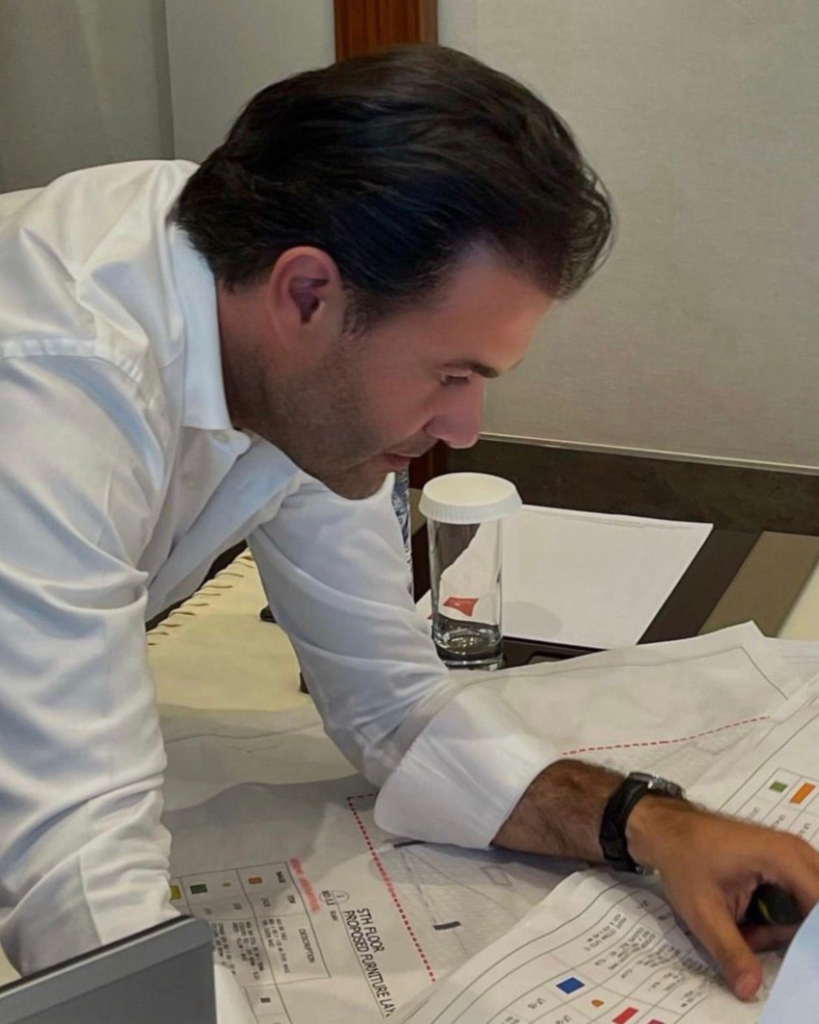
Every development becomes part of a broader urban ecosystem—connected, efficient, and future-ready.
From the UAE to leading Arab capitals, Ahmad A. Sabra continues to advocate for sustainable policy integration, private-sector accountability, and cross-border collaboration. His leadership bridges architecture, governance, and innovation—positioning the Arab world as an active contributor to global climate solutions.
In an era defined by environmental urgency, Sabra’s work demonstrates that sustainability and sophistication can coexist. The cities of tomorrow will not only rise higher—they will think smarter, breathe cleaner, and endure longer.
At the center of this transformation stands Ahmad A. Sabra—designing not just buildings, but a responsible future for generations to come.