



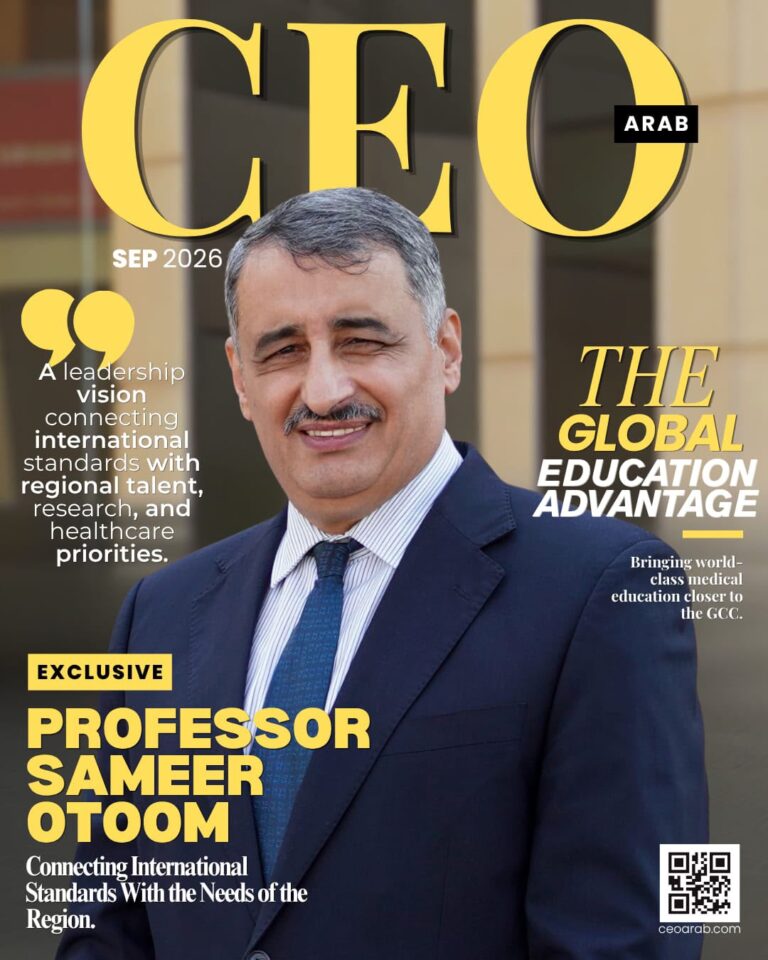
How Transnational Education Can Strengthen the GCC Workforce
Transnational education is increasingly becoming an important component of the global higher education landscape. Yet its real value extends far beyond international partnerships, shared curricula or the physical presence of an overseas institution in another country. At its most effective, transnational education creates a bridge between global knowledge and local priorities—bringing internationally recognised standards into a national environment while simultaneously developing the talent, institutions and expertise required to strengthen that country’s future.
In healthcare, this responsibility becomes even more significant. Medical education directly influences the quality, resilience and sustainability of healthcare systems. Developing doctors and health professionals therefore requires more than transferring academic content across borders. It requires an educational ecosystem capable of combining rigorous international standards with an understanding of local healthcare needs, regulatory frameworks, cultural contexts and emerging regional challenges.
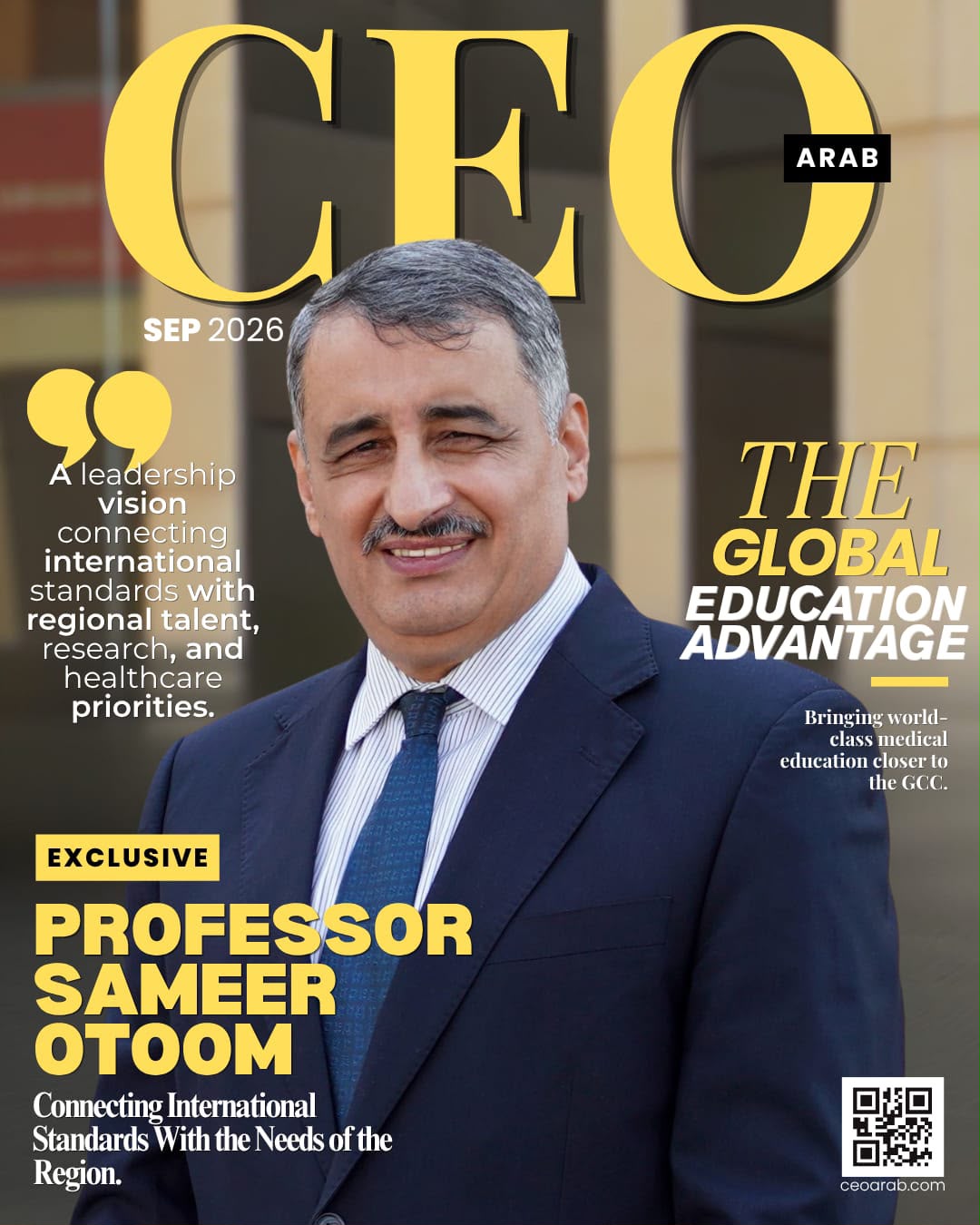
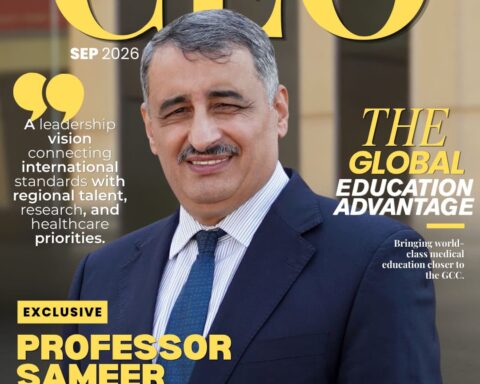
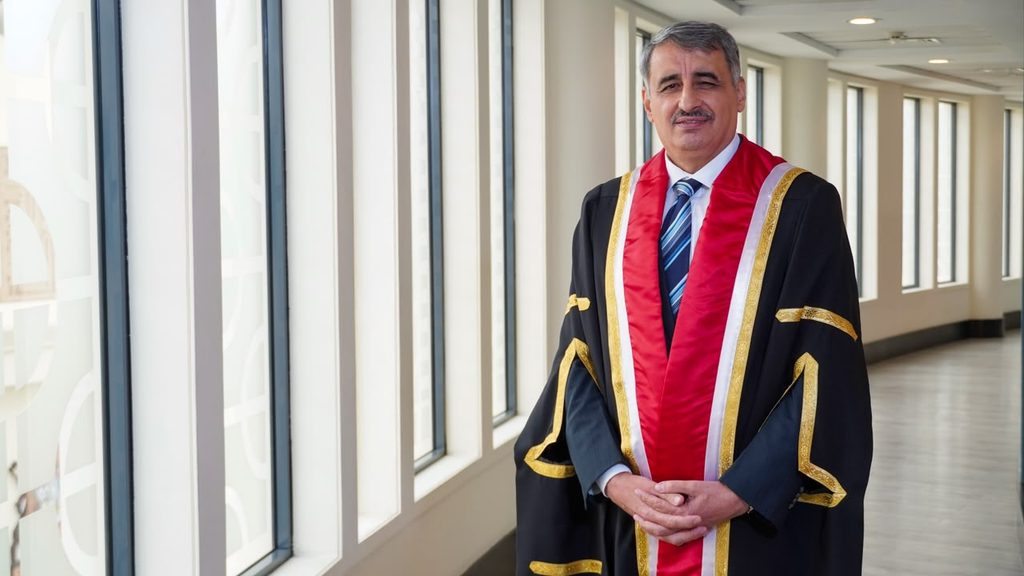
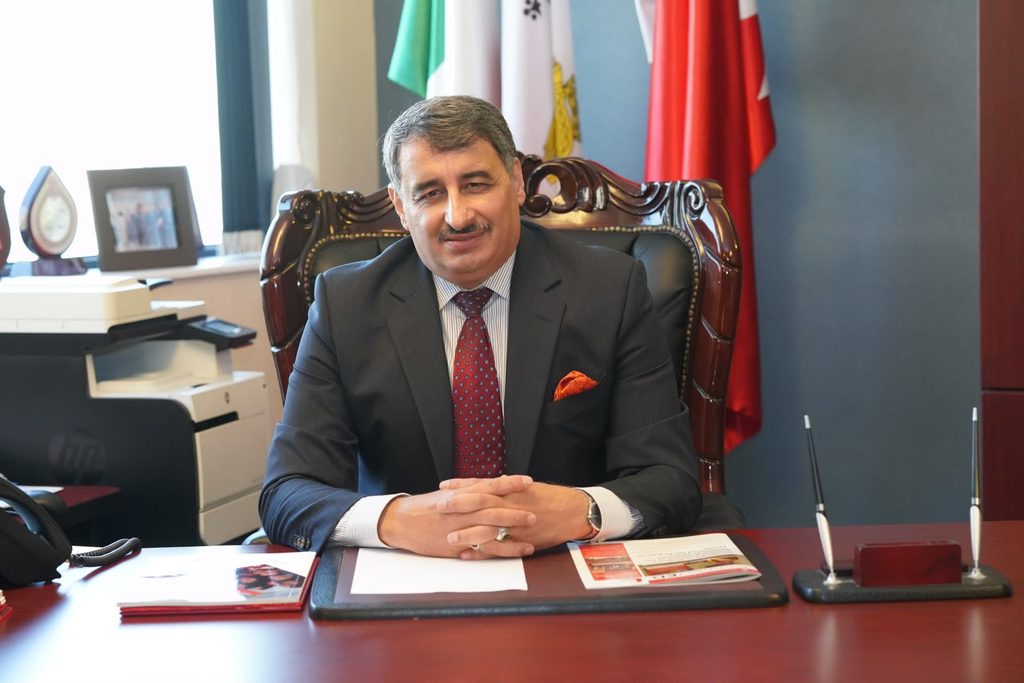
Over more than twelve years as President of the Royal College of Surgeons in Ireland (RCSI) Medical University of Bahrain, I have seen firsthand that establishing and sustaining a successful transnational university requires vision, resilience, effective governance and a long-term commitment to both academic excellence and national development.
The central challenge is not simply to replicate an educational model in another country. It is to create an institution that can uphold global standards while becoming meaningfully embedded within the society and healthcare system it serves.
The foundations of successful transnational education are established long before students enter a classroom.
Creating an internationally connected university requires navigating different regulatory environments, securing accreditation, establishing institutional governance, developing stakeholder confidence and building an academic culture capable of maintaining quality over time.
It also requires a careful translation of institutional values into a new national environment.
At RCSI Medical University of Bahrain, students benefit from the same medical and health sciences curricula, assessments and academic standards as RCSI in Dublin, alongside accreditation by the Irish Medical Council. At the same time, the university operates within Bahrain’s national higher education framework and meets the requirements of the country’s Higher Education Council and the Education and Training Quality Authority.
This dual responsibility is fundamental to the transnational model. International standards provide a foundation for academic quality, while local regulatory requirements and healthcare priorities ensure that education remains relevant to the country and region.
The objective is therefore not to choose between internationalisation and localisation. It is to make the two work together.
In a transnational institution, leadership carries a particularly broad responsibility.
A university president must provide strategic direction while safeguarding academic quality, developing institutional partnerships and maintaining relationships with regulators, healthcare organisations, governments and other stakeholders.
Effective leadership also requires an understanding of the different environments in which the institution operates.
RCSI Medical University of Bahrain’s integration with RCSI Dublin’s governance framework supports alignment in strategy, academic standards and institutional values across both campuses. At the same time, the university’s Board of Governors brings together representatives of the parent institution alongside distinguished local leaders from healthcare, business and public life.
This structure creates an important bridge between international expertise and national priorities.
Governance, in this context, is not simply an administrative mechanism. It is an enabler of institutional trust, accountability and long-term sustainability.
The success of medical education ultimately depends on its connection with real healthcare environments.
For students, exposure to local healthcare institutions provides an opportunity to understand the realities of practising medicine within the GCC while maintaining an international outlook.
Collaboration with healthcare institutions also creates opportunities for knowledge exchange, clinical learning and research. Students can encounter healthcare priorities specific to Bahrain and the wider region while developing the skills required to operate within increasingly interconnected global healthcare systems.
This interaction between academia and healthcare is particularly valuable as the region confronts complex challenges, including the growing burden of non-communicable diseases and the need for more integrated, technology-enabled and patient-centred healthcare systems.
Universities therefore have an opportunity to become active partners in addressing healthcare challenges rather than functioning solely as institutions that prepare students for examinations and professional qualifications.
No university can achieve sustained excellence without the right people.
Recruiting and retaining talented faculty, academic leaders and professional staff is essential to creating a strong institutional culture. Equally important is developing local talent and ensuring that individuals within the institution have opportunities to contribute meaningfully to its mission.
A successful transnational university should not simply import expertise. It should help create an environment in which local academics and professionals can develop, lead, innovate and collaborate internationally.
When faculty members and academic leaders share a clear institutional purpose, the university becomes more than a provider of education. It becomes a community built around knowledge, collaboration and continuous improvement.
This is particularly important for the GCC, where investment in human capital and knowledge-based economies is central to the region’s long-term development.
The true impact of a transnational medical university cannot be measured solely through student enrolment, examination results or accreditation.
Its deeper value is reflected in the contribution its graduates make to society.
Over the years, RCSI Medical University of Bahrain has educated generations of doctors, nurses and health professionals who now contribute to healthcare in Bahrain, across the GCC and internationally.
The objective is to develop graduates who possess not only clinical competence, but also professionalism, leadership capability, adaptability and a global perspective.
These qualities are increasingly important in healthcare. Medical professionals are operating in an environment shaped by rapid technological change, international collaboration, evolving patient expectations and increasingly complex health challenges.
A workforce equipped to navigate these changes can make a meaningful contribution to healthcare quality and national development.
Education represents only one dimension of a university’s contribution.
Research provides another critical pathway through which transnational institutions can create local impact.
At RCSI Medical University of Bahrain, research activity contributes to understanding health challenges relevant to Bahrain and the wider region, including diabetes, obesity, cancer, cardiovascular disease and other non-communicable diseases.
Research becomes particularly valuable when it connects universities with healthcare providers, policymakers and communities.
Academic institutions can generate evidence, healthcare organisations can provide practical insight and policymakers can translate knowledge into effective strategies. Creating stronger connections between these stakeholders can help transform research from an academic exercise into a practical tool for improving health outcomes.
For the GCC, this represents an important opportunity. Regional healthcare challenges require solutions that are informed by local populations and environments while benefiting from international scientific knowledge.
The responsibility of a modern university also extends beyond the campus.
Community engagement, health awareness campaigns, outreach programmes and partnerships with healthcare and community organisations can help universities respond directly to societal needs.
For medical universities in particular, this engagement reinforces an important principle: healthcare education should ultimately serve people.
By engaging with communities, students gain exposure to real-world health issues, while the university can contribute knowledge and expertise to public awareness and prevention.
This creates a two-way relationship in which education benefits from the community and the community benefits from the institution.
Transnational education can also contribute to economic diversification and human capital development.
For countries seeking to strengthen knowledge-based economies, internationally connected universities can provide access to recognised qualifications and global academic networks while reducing the need for students to leave the region to pursue international education.
At the same time, attracting international students and faculty can contribute to a country’s educational ecosystem and strengthen its international profile.
The impact can extend beyond individual graduates. Universities can create networks linking academia, healthcare, industry and government, helping build an environment where knowledge can move between institutions and sectors.
In this sense, transnational education is not simply an education model. It can become part of a broader national development strategy.
The future of transnational education will require institutions to become increasingly responsive to the societies in which they operate.
International curricula and global standards will remain essential, but they cannot exist in isolation. Successful institutions will need to combine academic excellence with research, community engagement, healthcare partnerships, innovation and a deep understanding of regional priorities.
For medical universities, this means preparing graduates not only to practise medicine, but to become adaptable professionals capable of contributing to healthcare transformation.
Technology will continue to reshape education and healthcare, while artificial intelligence, digital health, precision medicine and data-driven research create new opportunities for collaboration across borders. Institutions that embrace these developments while maintaining rigorous academic and professional standards will be better positioned to serve future generations.
The experience of RCSI Medical University of Bahrain demonstrates the potential of transnational education to create value on multiple levels.
It can provide students with access to internationally recognised education while developing professionals who understand their local healthcare environment. It can connect regional healthcare priorities with global research networks. It can strengthen local talent while encouraging international collaboration. And it can contribute to the development of a knowledge economy through education, research and community engagement.
Ultimately, the success of transnational education should be judged by the impact it creates beyond the classroom.
When global standards are combined with local relevance, strong governance, committed leadership and talented people, a transnational university can become more than an international extension of another institution. It can become a meaningful part of the national ecosystem.
For the GCC, this represents a powerful opportunity: to build healthcare workforces that are globally connected, locally grounded and prepared to lead the region’s next generation of healthcare and knowledge-economy development.